Disasters that could have been avoided using AskAMP
2018–2019
What went wrong?
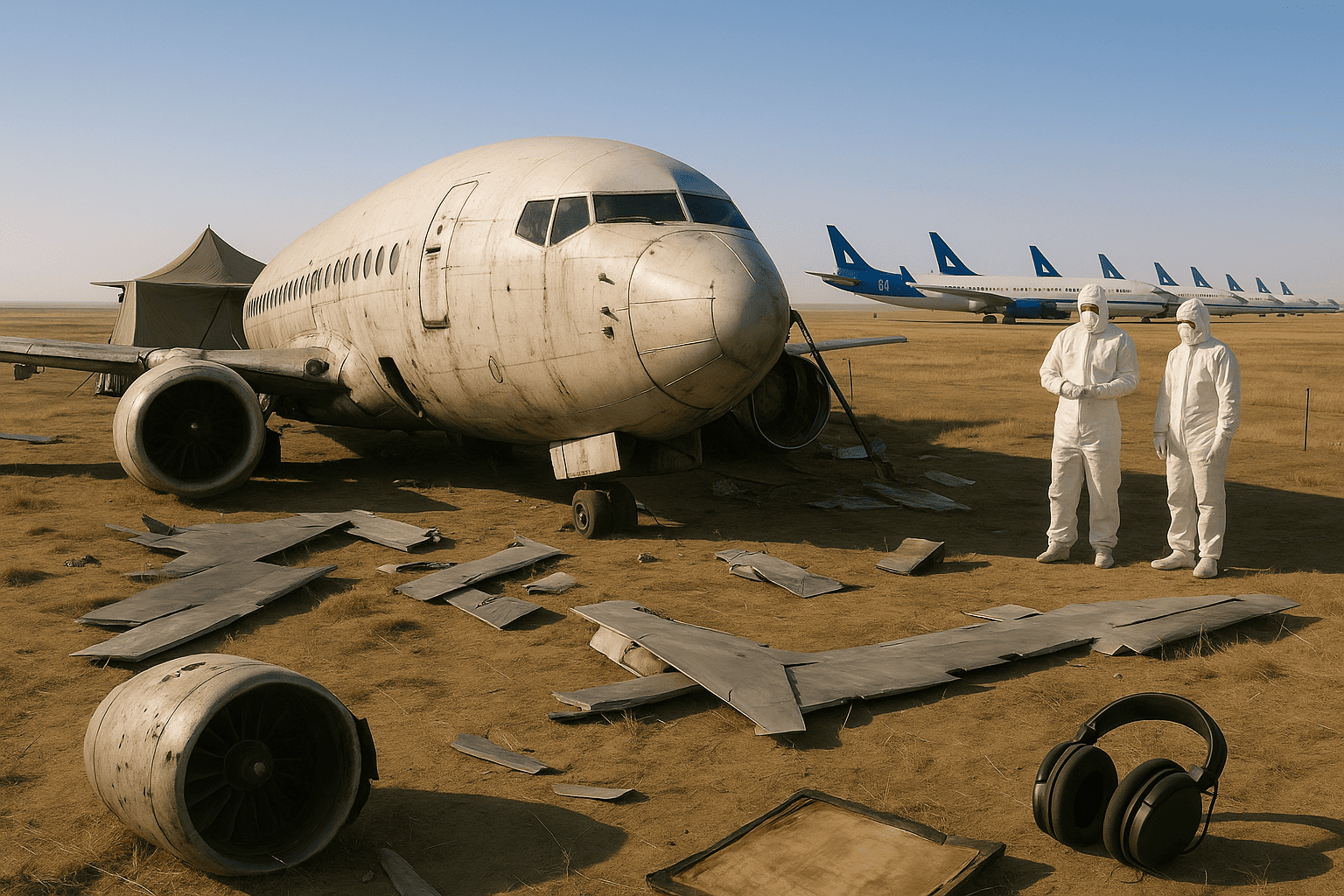
The MCAS system, designed to prevent stalls, activated without pilot input. It was never documented in flight manuals or pilot training programs, leaving crews unaware of how to identify or respond to its failure mid-flight.
How could AskAMP avoided the disaster?
AskAMP would have scanned and connected all training syllabi, operations manuals, internal engineering memos, certification files, and FAA compliance documents, instantly revealing the absence of MCAS details in pilot-facing materials and flagging the omission before certification or airline rollout.
2021
What went wrong?
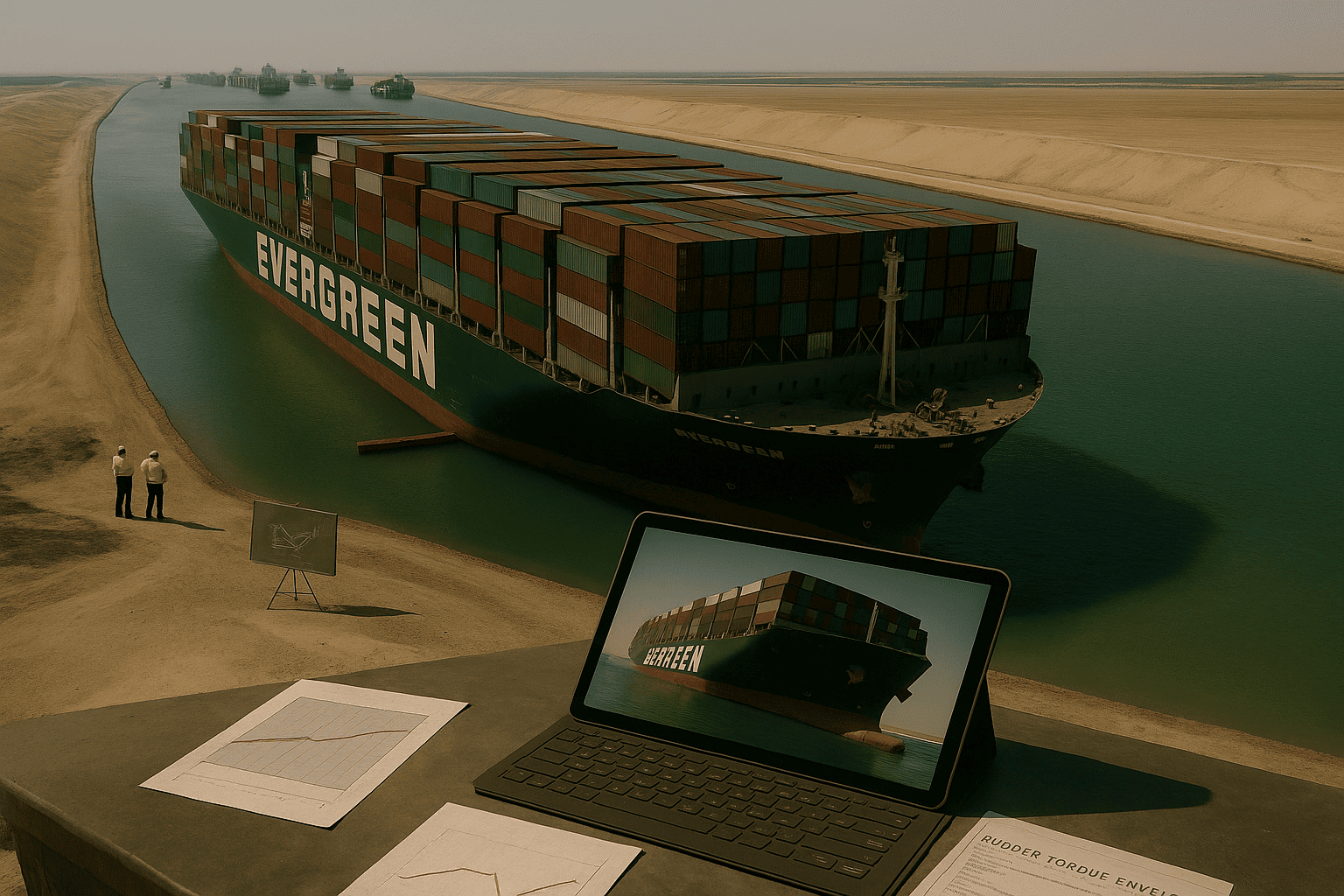
The Ever Given entered the Suez Canal during crosswinds exceeding 35 km/h. The vessel drifted off course and became lodged sideways, blocking the canal. Wind thresholds for safe passage were not strictly enforced for ships of its size.
How could AskAMP have helped avoid it?
AskAMP would have scanned and cross-referenced Suez Canal Authority navigation guidelines, real-time meteorological feeds, vessel handling protocols, rudder lag charts, and ballast profiles, instantly surfacing the wind threshold breach and recommending automatic delay of transit approval for Ever Given.
2015
.png)
What went wrong?
The host mistakenly announced the first runner-up as the winner due to a confusing results card layout and lack of a standardized verification process. The correction came only after the crown had already been awarded — live on international television.
How could AskAMP have helped avoid it?
AskAMP would have scanned and cross-referenced event execution manuals, result card templates, live-show SOPs, presenter cue protocols, and official verification policies, immediately highlighting the absence of a dual-verification method and the lack of visual clarity required by high-pressure broadcast environments.
1973

What went wrong?
Xerox PARC developed the first graphical user interface and mouse technology but failed to patent or commercially protect it. Apple and Microsoft later adapted these ideas, turning Xerox’s breakthrough into billion-dollar empires — without compensation to the originator.
How could AskAMP have helped avoid it?
AskAMP would have scanned and linked all internal R&D logs, invention disclosures, legal correspondence, lab memos, and preliminary UI concept papers, instantly flagging patentable inventions lacking IP filings. Legal teams could have acted before demoing the mouse externally or releasing unprotected prototypes.
2008

What went wrong?
Lehman Brothers collapsed under the weight of toxic mortgage-backed securities and excessive leverage. Internal risk thresholds were breached, but asset-liability mismatches and liquidity shortfalls were either missed, downplayed, or ignored until it was too late to act.
How could AskAMP have helped avoid it?
AskAMP would have scanned and connected all internal risk models, MBS exposure dashboards, liquidity coverage reports, intercompany lending agreements, and capital ratio logs, instantly surfacing red-flag thresholds breached and alerting compliance teams in real time — months before the collapse.
2019
What went wrong?
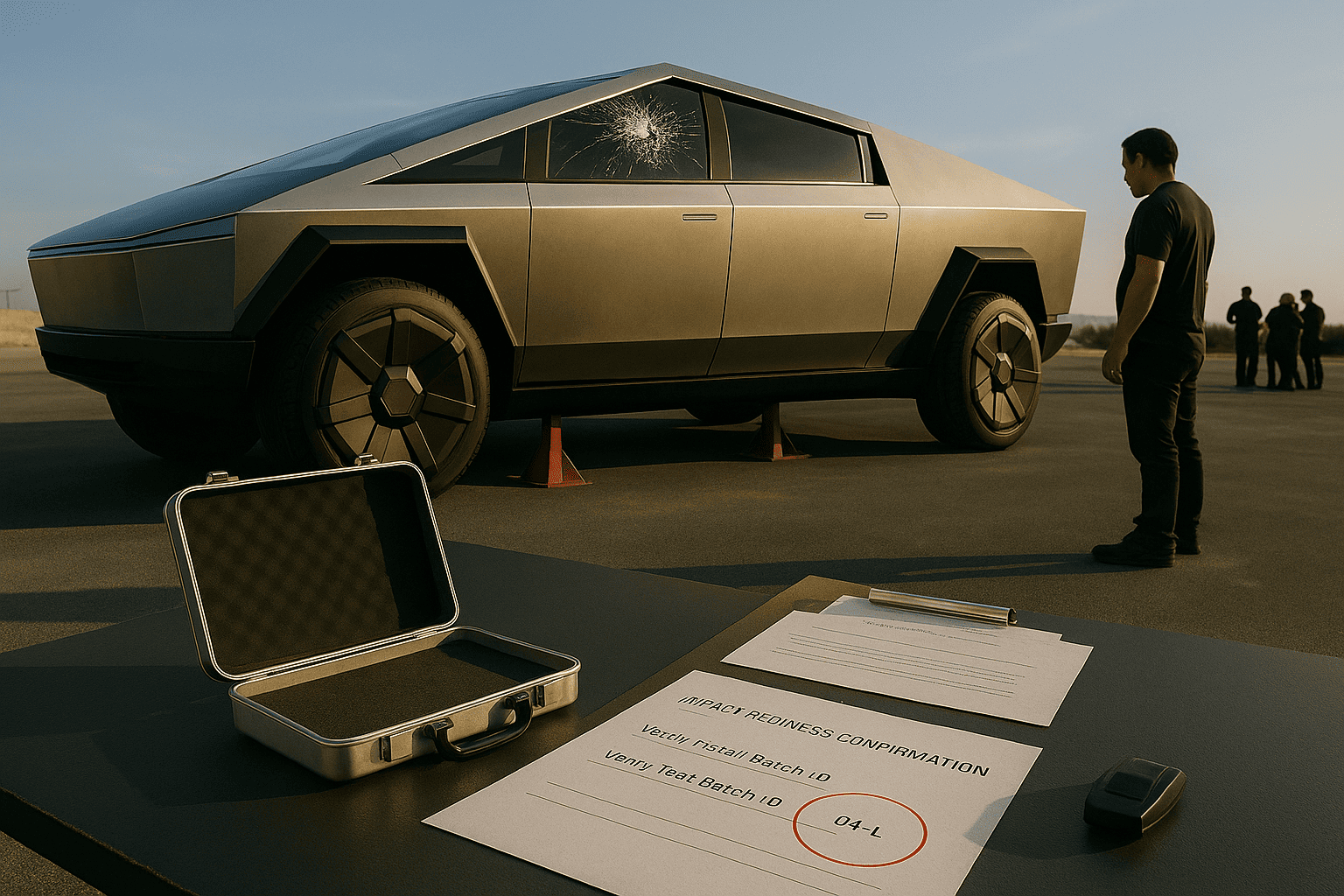
During Tesla’s live product reveal, the Cybertruck’s supposedly “shatterproof” window cracked when hit with a steel ball. The glass had undergone prior impact testing backstage, weakening its structural integrity before the live demonstration.
How could AskAMP have helped avoid it?
AskAMP would have scanned and cross-referenced material stress test certifications, prototype durability logs, impact cycle limits, stage preparation checklists, and QA clearance forms, instantly warning that the demo glass had exceeded its tested impact cycle allowance and needed replacement before going on stage.
1986
What went wrong?
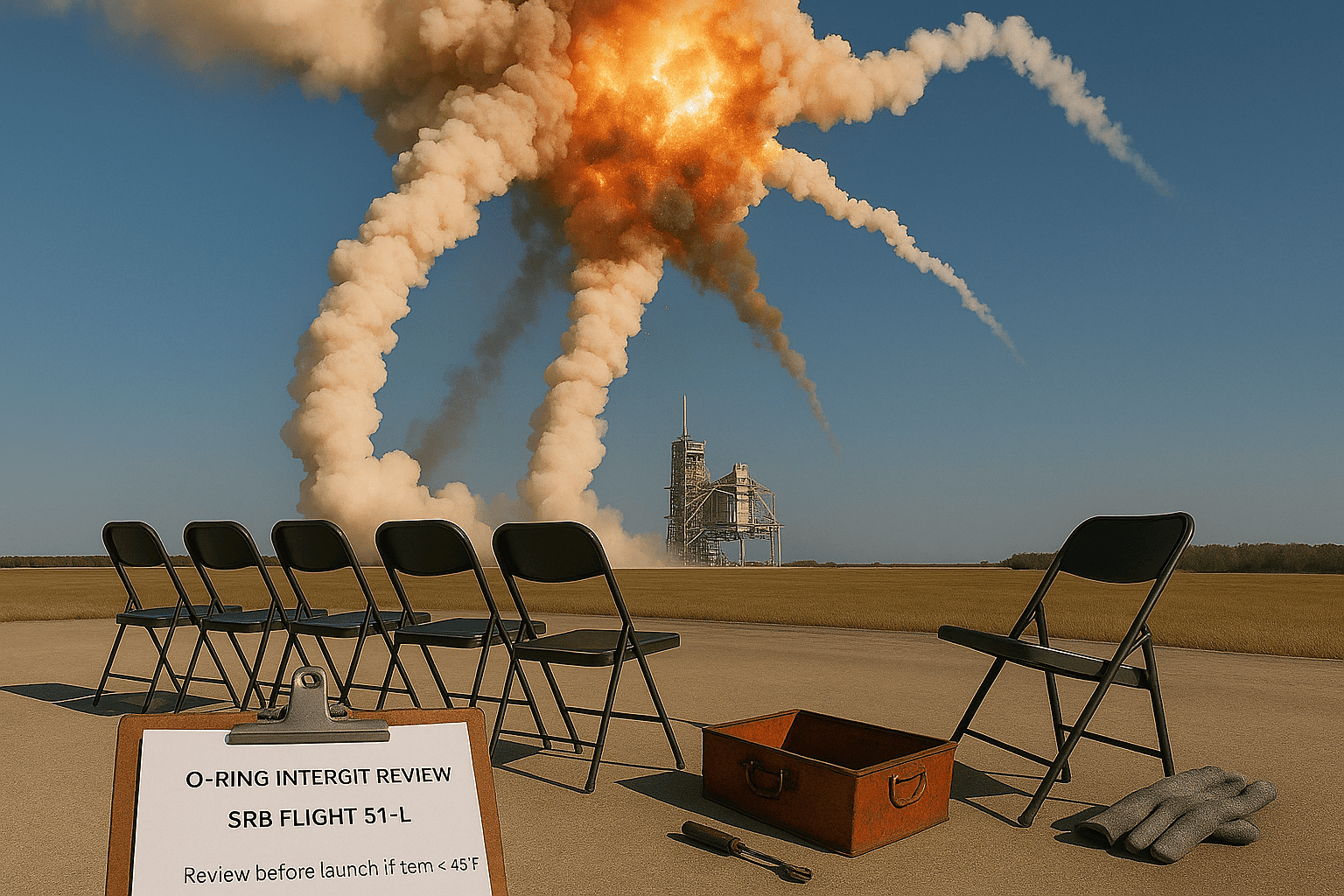
The Challenger shuttle disintegrated 73 seconds after liftoff due to O-ring failure in the solid rocket booster. Cold launch-day temperatures compromised the O-ring's elasticity, allowing hot gases to escape and trigger the catastrophic structural breakup.
How could AskAMP have helped avoid it?
AskAMP would have scanned and analyzed engineering memos, SRB temperature tolerance data, launch weather forecasts, material test reports, and historical failure simulations, instantly warning that the launch temperature was well below safe O-ring compression limits — requiring a mandatory delay.
2022
.png)
What went wrong?
A significant liquidity shortfall emerged when a large number of users attempted to withdraw funds simultaneously. Internal reporting did not clearly reflect the extent of asset encumbrance or inter-entity exposure, leading to an operational freeze and loss of platform access.
How could AskAMP have helped avoid it?
AskAMP would have scanned and connected data from reserve audit logs, withdrawal queue ledgers, intercompany transfer sheets, asset-liability reports, and token valuation dashboards, instantly flagging inconsistencies between reported liquidity and real-time obligations — allowing for earlier escalation or containment.
1986

What went wrong?
Over 1.5 million helium balloons were released over downtown Cleveland. A cold front unexpectedly shifted wind direction, pushing the balloons downward over Lake Erie and nearby airspace, disrupting aviation, blocking roads, and interfering with a critical Coast Guard rescue effort.
How could AskAMP have helped avoid it?
AskAMP would have scanned and connected event logistics plans, local FAA compliance rules, low-altitude wind pattern forecasts, Coast Guard marine alerts, and airspace coordination memos, instantly flagging that wind gusts reaching 12–17 knots from the northwest would force descending drift into restricted and high-risk zones.
2010
What went wrong?
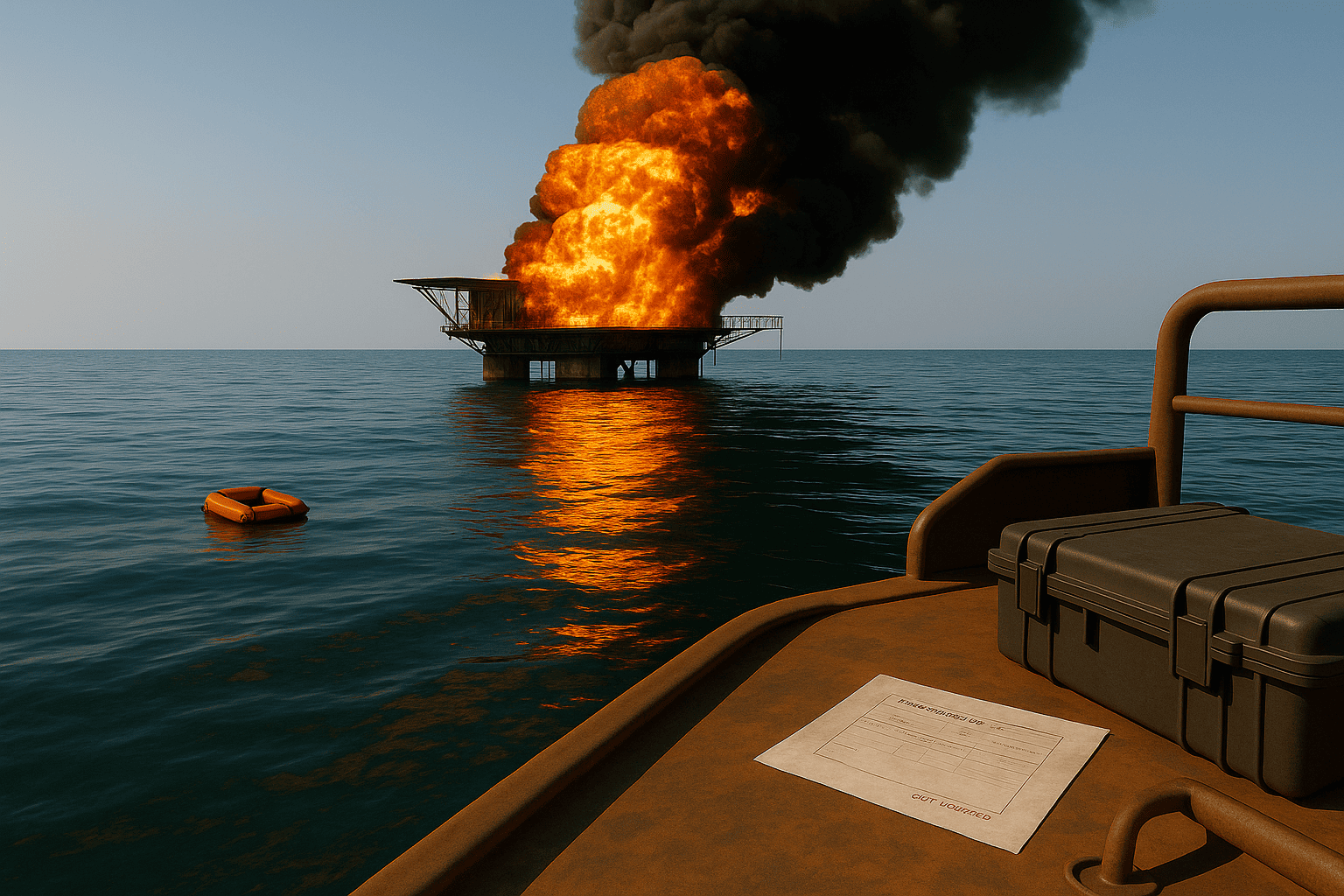
A pressure surge caused the Deepwater Horizon’s well to blow out, leading to an explosion and one of the worst oil spills in history. Cement testing data and warning signs of well instability were not acted upon in time.
How could AskAMP have helped avoid it?
AskAMP would have scanned and linked cement bond test results, real-time pressure anomaly logs, blowout prevention checklists, mud circulation records, and well integrity assessments, instantly flagging that hydrocarbon influx risks exceeded safe margins — prompting suspension of operations prior to disaster.